AI consulting and integration for established businesses ready to make AI compound
We diagnose, strategise and outwork your workflows with your people, redesigning the floor in sprints of two to three months, then design the AI that builds efficiencies across your business.
You're using AI. The results just aren't compounding yet. Not a failure, a ceiling. The real question is how you stop the work to redesign the floor, and who you turn to for it.
Whether we work together or not, you'll leave with clarity.
- The diagnostic: four to six weeks, $5,000 plus GST
- The build runs in sprints of two to three months
- Everything built in your business stays yours

A map of how your business really runs, and a costed, ordered list of what to rebuild first so AI pays.
The operation works because specific people hold it together
Every unusual job routes through someone's head. Handovers are where things fall over, so the fix has been to add people, which absorbs the problem without removing it.
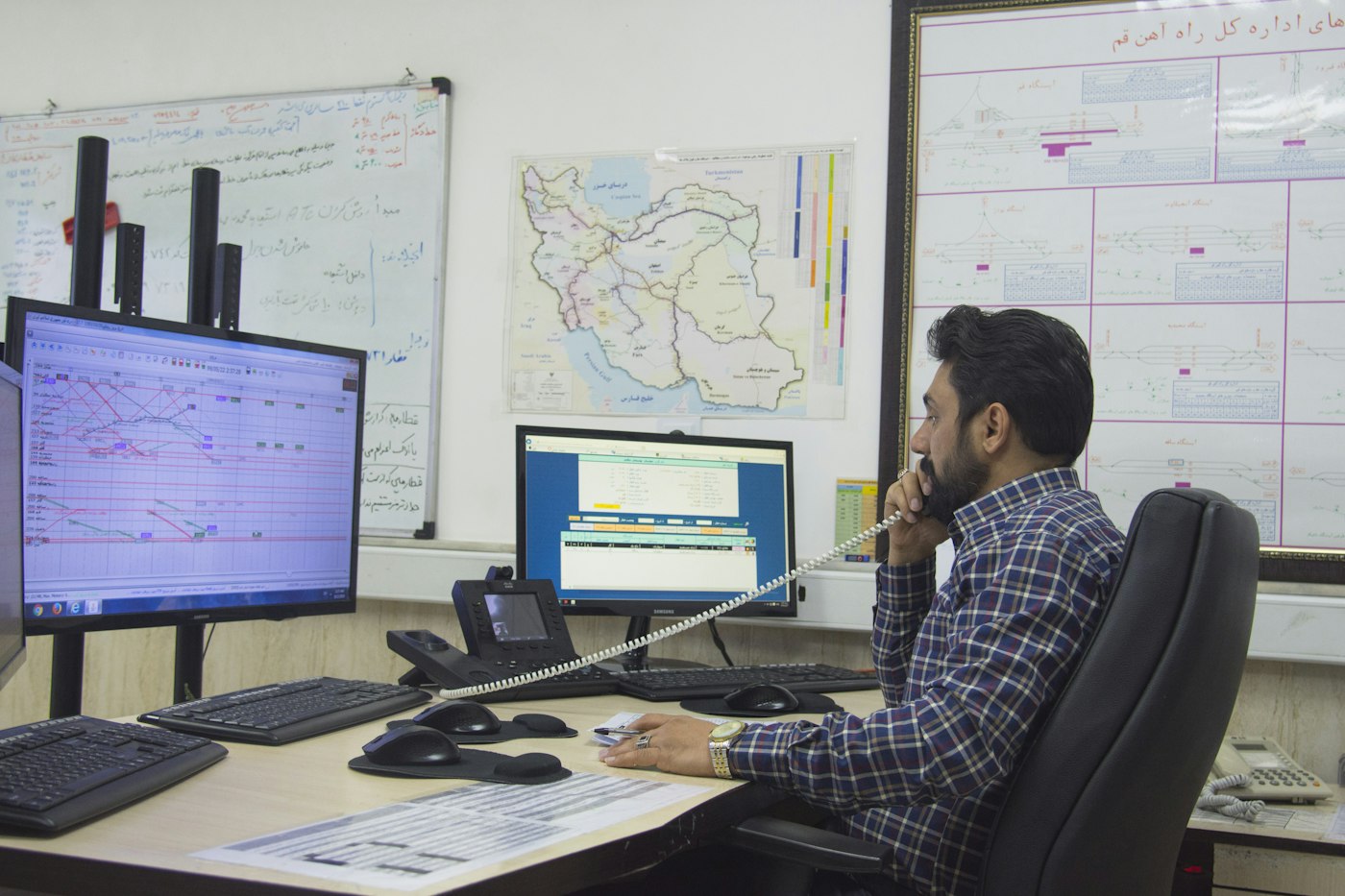
It's all in his head.
Every job is a bit different.
We keep hiring just to keep up.
The handover is where it falls over.
We've got three systems that don't talk.
We bought it, nobody uses it.
Each specialist is good in their own lane and assumes the connections between them already exist. Big companies spend millions on departments to make those connections. Most businesses this size have no one whose job it is.
McKinsey found the same gap at the top of the market. For this work, “no single existing function has a natural mandate to deliver it end to end.” (AI is changing work, October 2026, p. 9)
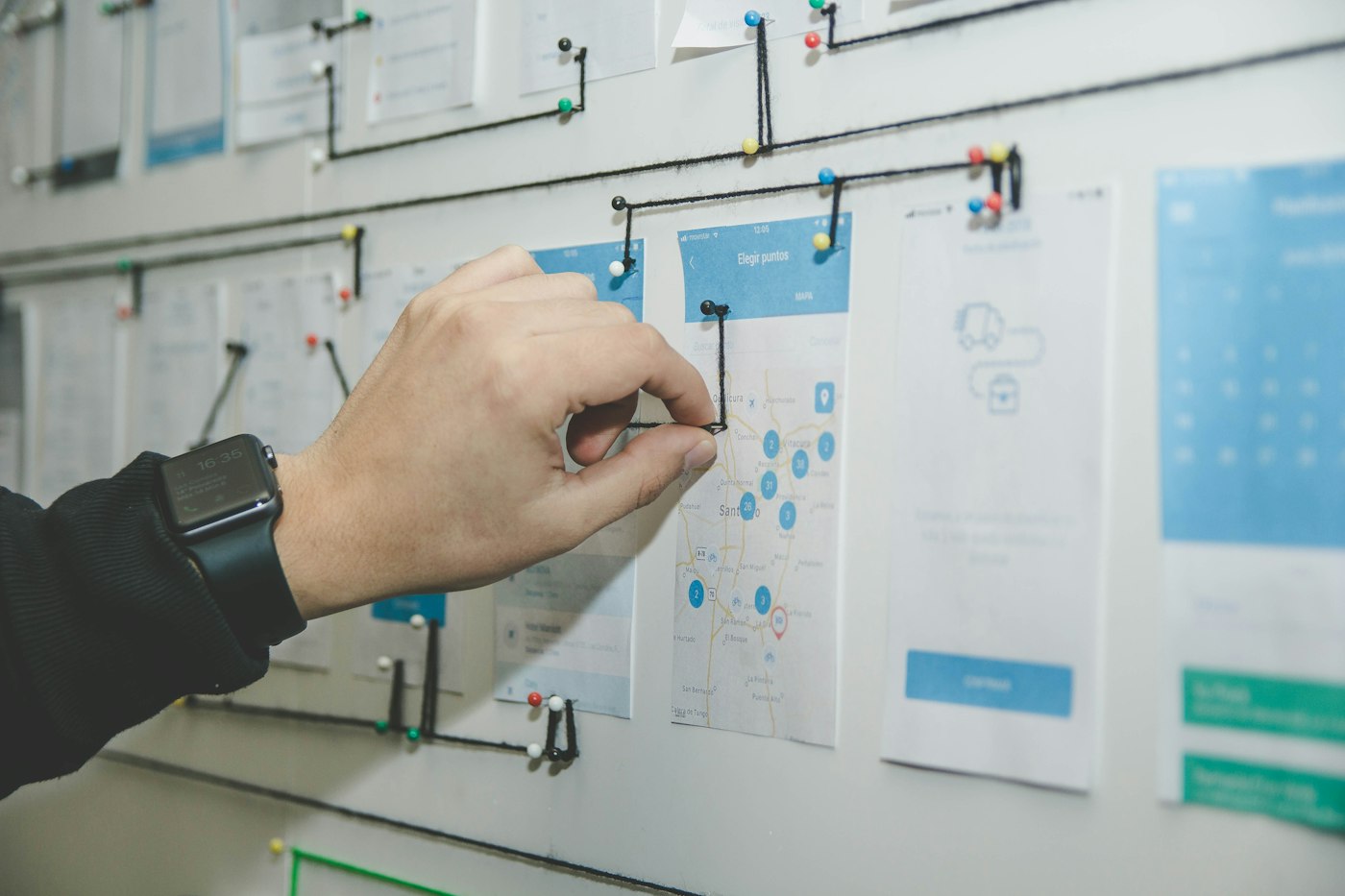
AI does not fix a missing operating layer. It amplifies what is already there.
You have seen the demos, and you can do the arithmetic on what AI would save. What stops you is a suspicion that your data and process will not hold it. Nobody says that out loud, because everyone selling AI needs it not to be true.
Automation and consolidation come first and set the foundation, then the AI is built over the top. Bolted onto an old workflow, AI creates a tension point at every handoff the old model still holds, so we rebuild the workflow for it.
McKinsey sees the same thing: when agents are embedded into a legacy process without redesign, “they typically serve as faster assistants.” (Seizing the agentic AI advantage, p. 17)
When factories first electrified, motors bolted onto the old line shafts moved output by about 0 to 5 percent. Redesigning the floor around the motors lifted it by roughly a fifth, with the same people.
How AI integration worksRedesign the floor, then build the AI over it
Each of these sits in the floor under the work, and another tool will not fix it. We redesign that floor first, so the AI built over it has something that holds.
“It's all in his head.”
What your people know goes into one knowledge base, so the floor holds it and every AI tool works from the same source.
“The handover is where it falls over.”
Each handoff is redesigned before any AI touches it. Bolted onto an old handoff, AI adds a tension point. On a redesigned one, it carries the step.
“We've got three systems that don't talk.”
Consolidation comes first: one version of the customer, the systems connected, the repeat work automated. Then the AI goes over the top.
“We keep hiring just to keep up.”
The workflow is rebuilt to carry the volume, so new people go where growth needs them instead of absorbing a process problem.
“We bought it, nobody uses it.”
The tool is built into the work your people already do, alongside them and with the change managed, so it gets used.
Four steps, and each one stands on its own
Each step leaves you with something you keep, even if you stop there. The build only starts once the costing shows where the return is.
You own it when we're done.
- 1
The diagnostic
$5,000 plus GST, four to six weeksA structured intake, then interviews with the people doing the work, role by role. It maps how your business really runs and where it hands off.
- 2
What to fix first, costed
IncludedEvery opportunity the map surfaced, costed one at a time with the working shown, and put in order of return.
- 3
The Partnership
Sprints of two to three monthsWolf & Eagle works inside the business, with your people, on the priorities the costing surfaced. You approve deliverables and timelines at all times.
- 4
Retain or continue
MonthlyKeeps the build working and absorbs changes to the tools it connects. New features are a new sprint.
What McKinsey found on AI transformation: the firms getting value redesigned the work first
Most firms now use AI. Few see it on the bottom line, and the ones that do rebuilt their workflows rather than bolting AI on.
Large firms answer this with transformation offices and seven-figure programmes, and still report the same stall. A business of $5M to $50M has the same problem and none of that machinery. That is the gap we work in.
report a positive EBIT impact from AI, while 80 percent say it has improved their own productivity.
AI high performers fundamentally redesigned their workflows. One in four other firms did.
of smaller organisations run AI agents at scale, flat on last year, against 40 percent of large ones.
Source: McKinsey & Company, State of AI 2026 global survey (August 2026), and AI is changing work (October 2026). Smaller organisations means under US$1 billion in revenue.
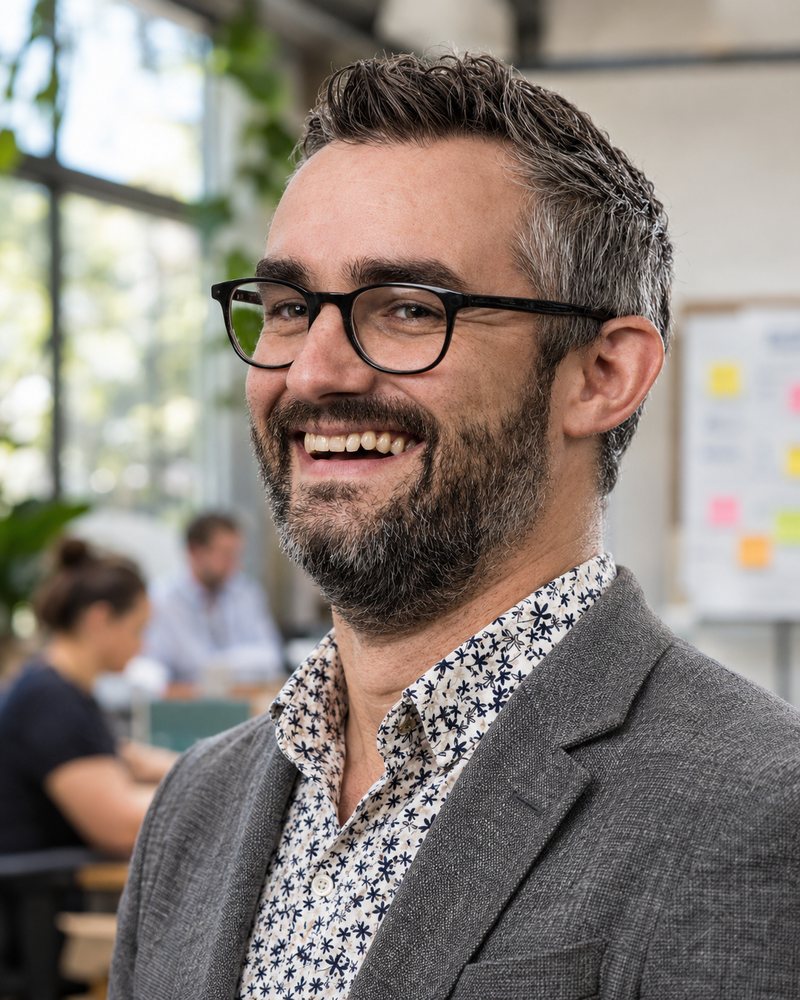
We get it, we're a business too.
I'm the director of Wolf & Eagle and EdisonEd. I build the system myself, and Wolf & Eagle runs on it.
We Systemise Before AI, in our own business and in our clients'.
Andrew CockburnDirector, Wolf & Eagle
Deployed in your own Azure tenancy or database, with your IT managing the keys and our access limited to rollouts and monitoring.
Everything built specifically for you stays yours.
AI consulting, integration and transformation: five ways in, one way of working
We diagnose, strategise and outwork your workflows, then design the AI that builds efficiencies across your business.
AI integration
Every workflow is looked at as an agentic workflow. We redesign the floor, then build the AI over the top.
Read moreAI consulting
The diagnosis and the strategy come first, then Wolf & Eagle does the outworking with your business.
Read moreAI transformation
Large firms fund whole departments to connect their specialists. Your business needs the same connections without that machinery.
Read moreAI readiness
Find out whether your data and process will hold AI before a tool is bought. The diagnostic is the readiness answer, in your business.
Read moreFractional CMO alternative
Most businesses this size do not have a CMO. When the gap sits between functions, the connections are the work.
Read moreBuilt for businesses where a dropped handover costs real money
It suits
- From $1M turnover, ideally $5M to $50M
- Owners and MDs, or a COO or head of operations from $5M, often with finance co-signing
- Several sites or teams, where a dropped handover costs more than a day
It does not suit
- Businesses that can just afford it
- Businesses wanting the outsourced function replaced rather than rebuilt
- Anyone shopping for the tool rather than the floor
Questions people ask
1What does Wolf & Eagle do?
2Is Wolf & Eagle an AI consultancy?
3What is AI transformation for a business our size?
4What is the diagnostic?
5How much does AI consulting cost with Wolf & Eagle?
6How long does the build take?
7Where does my data sit?
8What do we own at the end?
See how the diagnostic works
A short walk through the diagnostic, what it produces and how the build follows, so you can judge whether it fits your business.
Whether we work together or not, you'll leave with clarity.
What you keep
- The rebuilt workflows
- The consolidated systems
- The knowledge base
- The map of how the work runs
Redesign the floor. Start with a diagnostic.